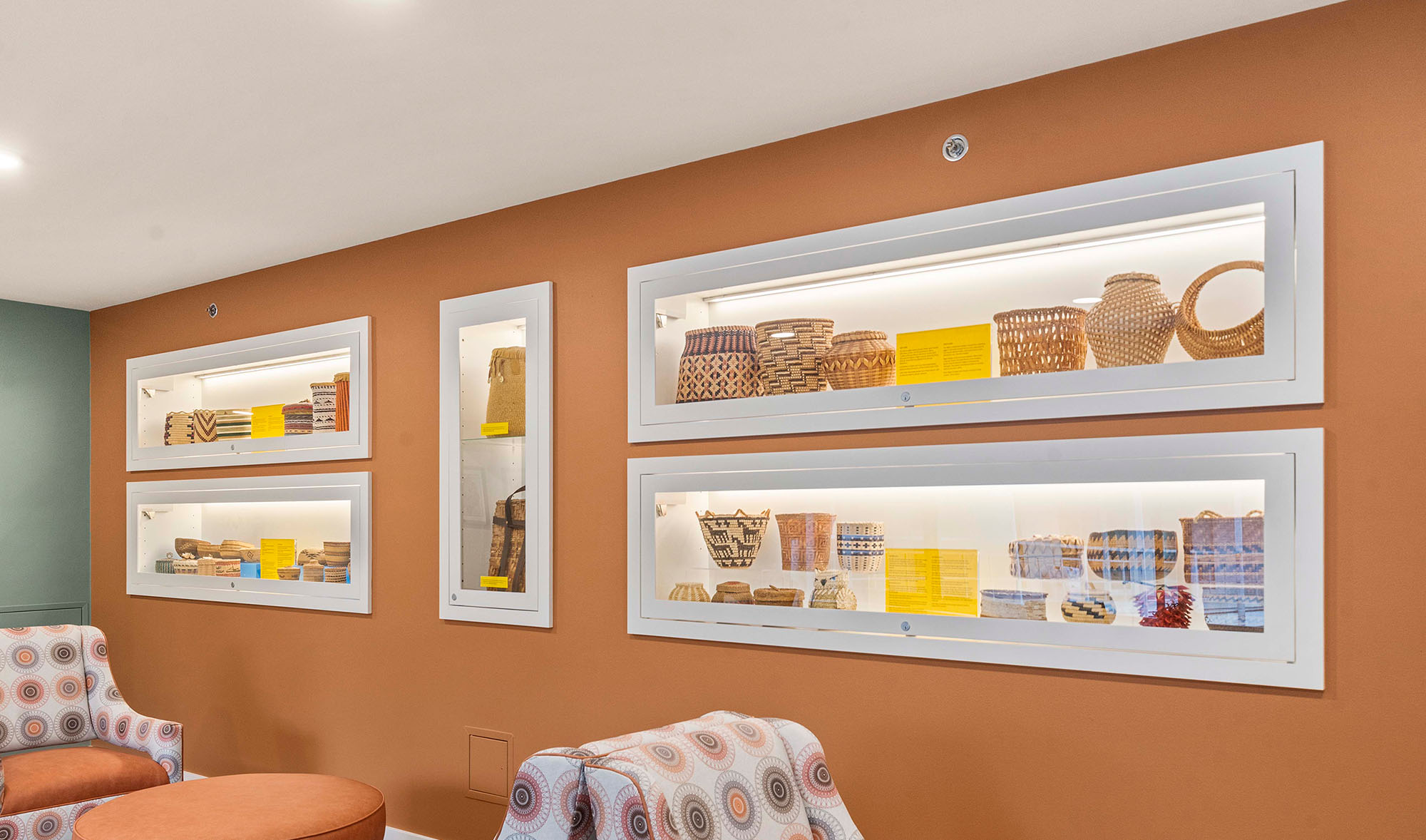
Kim Herman has a specialized hobby. He collects baskets and has donated 66 of his favorites to a permanent basket display in the lounge at The Terrace at Wesley Des Moines.
The Start of the Collection
Kim started collecting baskets about 30 years ago. According to him, yard sale finds were the inception of his collection. He’d pay 50¢ here or $1 there for a basket, finding them more portable and less fragile than pottery.
His collection really started to grow when he began travelling for work. Attending conferences around the country, to be more exact.
“My career at the Washington State Housing Finance Commission meant I attended four conferences a year in different parts of the United States,” he says. “This provided me an opportunity to collect Native American baskets from the different states that I went to.”
And collect he did. Over the course of the last three decades, Kim has amassed over 400 baskets from the U.S. and around the world. However, he says his most treasured finds are baskets crafted by Native American tribes.

“I have a conical basket worn by adults for ceremonial dances that’s from the Yakima Tribe in Central Washington and Oregon,” he says. “The pattern was really unique and something I hadn’t seen before. These very rarely come up for sale, so I was happy to find it.” This basket is now on display at Wesley Des Moines.
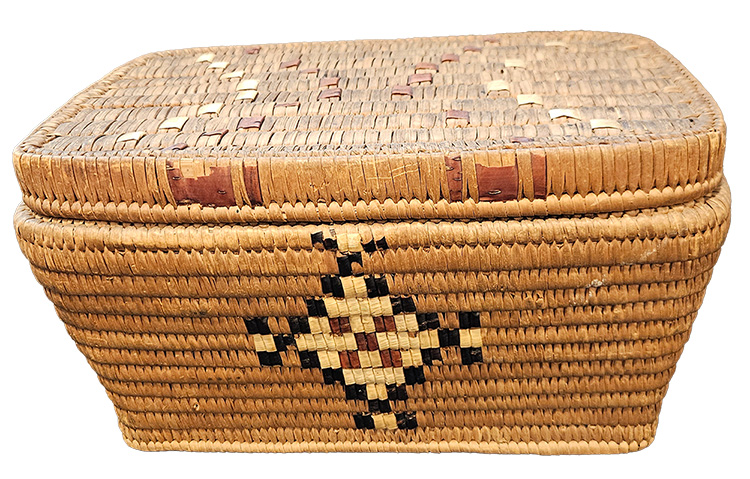
The baskets in Kim’s collection range in size and price. He no longer shops at yard sales but beelines straight to museums and basket stores. These days, he generally pays from $50 to $2,500 for new baskets for his collection.
Every Basket Has a Story
With hundreds of baskets in his collection, Kim finds he’s developed an interest in the cultural history of baskets.
“Baskets are a unique product that so many different cultural groups have made because of the need to carry things around,” explains Kim.
And because baskets are handcrafted, they are unique to the people who make them. Different baskets serve different purposes. The designs and colors reflect the tribes and locations.
“When I buy a basket, I try and collect all the information I can, including what’s it made out of and what its particular purpose was,” he says. “To me that’s part of the charm of baskets.”
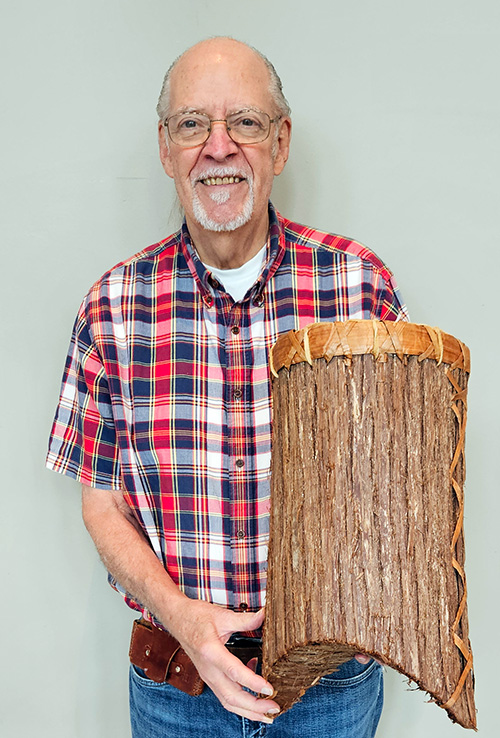
He tells a story about a large basket made by a tribe here in the Pacific Northwest. “Native Americans in the northwest would go out into the woods without a basket. If they came upon ripe berries, they would take their knives and skin bark off trees and roll them up into a basket to carry the food back,” he explains. “I have one of these baskets. It’s about 2-1/2 feet long and about 8 inches in diameter.” A similar but smaller basket is also on display at Wesley Des Moines.
Kim’s Baskets on Display
You can enjoy the highlights of Kim Herman’s permanent basket display in the second floor lounge at the Terrace Apartments at Wesley Des Moines. The baskets are a donation to Wesley Community Foundation.