
As we gather for the holidays, lingering in the kitchen, laughing over memories and reconnecting around the table, these visits often reveal more than treasured family recipes. This time together can reveal that Mom, Dad or a beloved grandparent may need a little more support at home.
The Wesley Health & Home Care team understands how emotional and overwhelming these realizations can be.
“Most older adults won’t tell you they need help,” says Laura Sanchez, Senior Manager of Home Care by Wesley. “They don’t want to worry their kids. That’s why the holidays are often the moment when families first notice the changes.”
Laura and Wesley at Tehaleh Home Care Manager Nichole Merwin shared insights into subtle signs that may signal your loved one needs additional help. They also give guidance on your next steps to providing support with confidence, compassion and clarity.
Laundry or Incontinence Clues
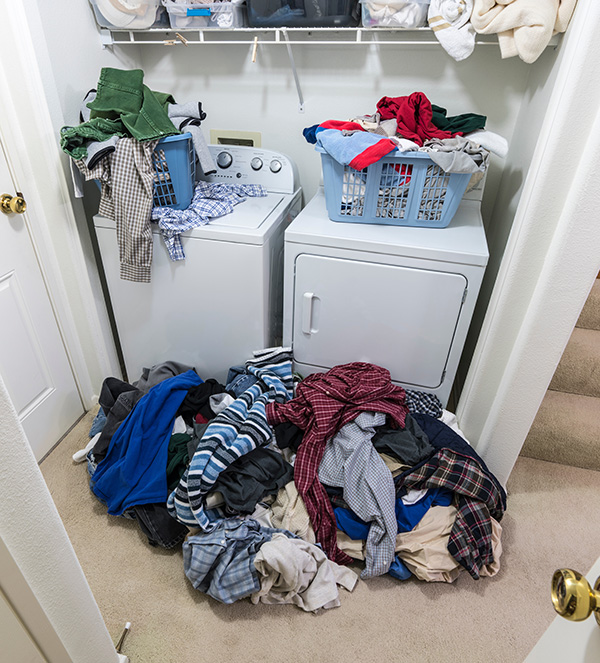
Incontinence is a frequent issue surfacing during family visits. A parent who hides soiled laundry or avoids doing the wash is often signaling that daily tasks have become challenging.
Medication Mistakes
If prescription refill reminders arrive but the medication bottles remain full, or if pills look disorganized or unused, these are strong indicators warranting a thoughtful conversation.
Increasing Confusion or Disorientation
Cognitive changes typically appear gradually. You may notice loved ones calling at unusual hours because they’ve mixed up the time, confusing people’s names or showing increasing forgetfulness week by week. These shifts are indicators that additional support could be beneficial.
A Home That’s Becoming Hard to Maintain
Dishes piling up, laundry undone and a general decline in housekeeping can indicate your loved one is becoming overwhelmed. If you find yourself doing more for Mom than she can do for herself during visits, it’s time to talk about next steps.
Changes in Personal Appearance or Routine
Nichole notes that the little details often speak the loudest.
“Maybe Grandma was always put together and wore lipstick, but you notice she forgot that detail and hasn’t brushed her hair. Or maybe Dad is mismatching clothes and skipping showers. These are early indicators of cognitive decline,” says Nichole.
Laura and Nichole agree that families shouldn’t wait for a loved one to ask for help. Most older adults won’t. They need you to advocate on their behalf. If you’re unsure where to begin, try visiting at unannounced times to get a more accurate picture of their daily routines and needs. Sometimes their needs are simple, such as having a memory board for gentle reminders about showering, taking medications or turning off appliances. But if you notice they need support with showering, daily medication assistance, light housekeeping, laundry or even pet care, home care may be the next step.
Considering an agency?
When choosing an agency, word of mouth is often the most reliable guide. Speaking with someone who has gone through the process or with a healthcare professional can provide invaluable insight. If that’s not an option, researching a few agencies and arranging introductory conversations can help you understand how they can support your loved one.
Wesley’s key factors
- Home care agencies vary in their approach and level of support. While many require eight- or twelve-hour minimum shifts, Wesley offers a more flexible four-hour minimum. This makes support more accessible.
- All Wesley caregivers are employees, not contractors. Concerns can be addressed quickly, and care can be tailored to each individual.
- Wesley team members are background-checked, licensed and carefully matched to the clients they serve.
- Continuity of care is a top priority at Wesley, with the same caregiver assigned whenever possible. This consistency helps caregivers truly understand your loved one’s routines, anticipate their needs and build meaningful relationships over time.
- Wesley offers home care services in your home as well as within our welcoming communities throughout King and Pierce counties.
Having worked at national and local agencies, Laura notes the advantage of choosing a local agency.
“Local agencies hire caregivers who know the communities, share familiar landmarks and stories and can connect more personally with the people they serve. Families also benefit from being able to reach leadership teams directly and receive specific, honest answers. That’s something national agencies often cannot provide with the same level of detail,” says Laura.
As you gather for the holidays and begin to notice these signs, we welcome you to reach out and learn more about our services. Call us anytime at (206) 870-1127. You can also check out our Informed Choices podcast: Navigating Home Care: Tips for Families Over the Holidays.